Thoughtful Material Selection: Balancing Function, Aesthetics, and Maintenance

Thoughtful Material Selection: Balancing Function, Aesthetics, and Maintenance
When planning a construction or renovation project, choosing the right materials is one of the most crucial decisions you’ll make. It’s not just about how things look—it’s about how they perform, how long they last, how easy they are to maintain, and how they fit into your lifestyle and environment. A thoughtful approach to material selection can make the difference between a space that ages gracefully and one that quickly loses its charm. Let’s explore how to balance function, aesthetics, and maintenance when selecting materials for your home or workspace in India.
Function First – But Not Alone
Functionality should always be the starting point. A material must be suited to the conditions it will face and perform well in its intended environment. In India’s diverse climate—ranging from humid coastal regions to dry interiors and cold northern areas—this becomes especially important. For example, in humid cities like Mumbai or Chennai, materials that resist moisture and mold, such as vitrified tiles or treated wood, are essential. In contrast, in drier regions, natural stone or exposed brick can perform beautifully with minimal upkeep.
Function also includes comfort and usability. A glossy marble floor may look elegant, but it can be slippery and difficult to maintain in high-traffic areas. Similarly, a countertop should withstand heat, stains, and frequent cleaning. Always ask yourself: How will this material be used—and by whom?
Aesthetics – When Materials Create Atmosphere
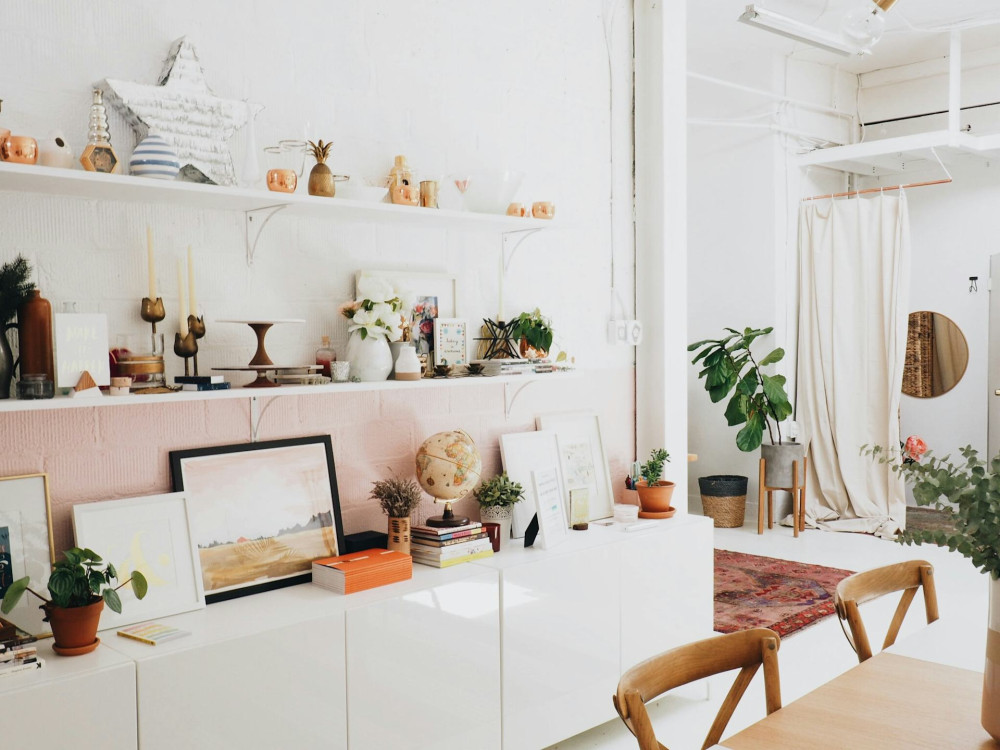
Materials do more than serve a purpose; they define the character of a space. Wood brings warmth and a sense of nature, while steel and concrete convey modernity and strength. Terracotta tiles or hand-crafted stone can add a touch of tradition and local craftsmanship, connecting your home to India’s rich architectural heritage.
Aesthetic choices are about harmony—how materials, colors, and light interact. Consider how surfaces reflect or absorb light, how textures contrast or complement each other, and how the overall palette feels throughout the day. Combining smooth and rough textures, matte and glossy finishes, or light and dark tones can create depth and visual interest without overwhelming the space.
Læs også:
Maintenance – The Often Overlooked Factor
A material may be beautiful and functional, but if it demands constant care, it can quickly become a burden. Maintenance should be a key consideration, especially in India’s dusty and humid conditions.
- Wood adds warmth but needs regular polishing or sealing to protect against termites and moisture.
- Natural stone like marble or granite is elegant but can stain easily and may require periodic sealing.
- Ceramic and vitrified tiles are durable and easy to clean, making them ideal for kitchens and bathrooms.
- Metal and glass surfaces look sleek but show fingerprints and smudges quickly.
- Composite materials and laminates offer low maintenance and affordability, though they may lack the natural charm of traditional materials.
Choosing materials that align with your lifestyle and the time you can realistically devote to upkeep ensures your space remains inviting for years to come.
Sustainability – A Growing Priority
Sustainability is becoming increasingly important in material selection. It’s not only about choosing eco-friendly products but also about considering durability, recyclability, and local sourcing. A long-lasting material that doesn’t need frequent replacement is often the most sustainable choice.
Look for certifications such as FSC for wood or eco-labels that indicate responsible production. Locally sourced materials—like Indian sandstone, bamboo, or clay tiles—reduce transportation emissions and support regional industries. Moreover, timeless materials that you’ll still love decades from now are inherently sustainable, as they reduce the need for replacement.
Holistic Thinking – When Choices Work Together
The best results come when function, aesthetics, and maintenance are considered together from the start. A well-balanced design is not just about individual materials but about how they interact to create a cohesive whole.
Make a list of your priorities: Is durability more important than appearance? Do you value low maintenance over luxury finishes? Are you willing to invest more upfront for long-term savings? Understanding your own needs and values will help you make decisions you won’t regret.
Remember, there’s rarely a single “perfect” material. The right choice is the one that fits your environment, your lifestyle, and your vision—creating a space that feels both beautiful and practical for years to come.
Læs også: