Financial Preparedness: How to Get Ready for Unexpected Expenses in Construction

Financial Preparedness: How to Get Ready for Unexpected Expenses in Construction
Every construction project, whether it’s building a new home, renovating an office, or developing a commercial site, comes with a degree of uncertainty. Even with careful planning, unexpected costs can arise — from fluctuating material prices to unforeseen structural issues. In India’s dynamic construction environment, where costs and timelines can shift quickly, financial preparedness is key to keeping your project on track. Here’s how you can plan ahead and protect your budget.
Understand the Common Risks
The first step toward financial preparedness is understanding the risks that typically occur in construction projects. While you can’t eliminate them entirely, you can plan for them.
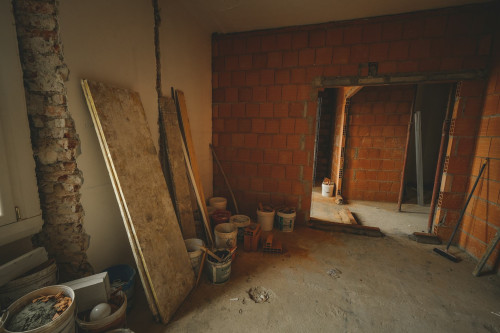
- Hidden structural issues: When renovating older buildings, you may uncover problems such as damp walls, termite damage, or outdated wiring that need urgent attention.
- Price fluctuations: The cost of materials like cement, steel, and sand can change rapidly due to market demand, fuel prices, or government policies.
- Design or scope changes: Midway through the project, you might decide to upgrade finishes, add new features, or modify layouts — all of which can increase costs.
- Delays: Monsoon rains, labour shortages, or supply chain disruptions can extend timelines and inflate expenses.
Recognising these risks helps you build a financial plan that can absorb surprises without derailing your project.
Create a Realistic Budget with a Contingency Fund
A detailed and realistic budget is the foundation of any successful construction project. Start by obtaining multiple quotations from contractors and suppliers to understand the current market rates. Include all possible expenses — from permits and site preparation to labour, materials, and finishing touches.
A good rule of thumb is to set aside 10–20% of your total budget as a contingency fund. For complex or large-scale projects, consider a higher buffer. This reserve can cover unexpected costs without forcing you to compromise on quality or halt progress.
Plan Your Financing Strategically
How you finance your construction project can greatly influence your flexibility when unexpected expenses arise. In India, you can explore several options:
- Home construction loans from banks or housing finance companies, which are disbursed in stages as the project progresses.
- Top-up loans or personal loans for additional funding if costs exceed the initial estimate.
- Overdraft or credit line facilities that provide quick access to funds when needed.
Discuss your financing plan with your bank to ensure you have enough liquidity to handle unforeseen costs. It’s wise to keep a separate emergency fund that can be accessed without disrupting your main loan structure.
Secure Clear Contracts and Responsibilities
A well-drafted contract is one of the best tools for financial protection. Make sure your agreements with contractors and suppliers clearly specify:
- The scope of work and materials included in the quoted price
- How changes or additional work will be handled
- Payment schedules and milestones
- Penalties for delays or non-compliance
- Warranty and liability terms
In India, it’s advisable to use standard contract formats or consult a legal expert to ensure your interests are protected. A clear contract reduces the risk of disputes and unexpected financial burdens later.
Læs også:


Monitor Costs Throughout the Project
Construction projects evolve over time, and so should your financial tracking. Maintain a simple spreadsheet or use project management software to record all expenses and compare them with your budget. Regularly review your spending with your contractor or project manager to identify deviations early.
Holding short review meetings every few weeks can help you stay informed about progress, costs, and any potential overruns. The earlier you detect a problem, the easier it is to correct course.
Protect Yourself with Insurance and Guarantees
Even with the best planning, accidents and errors can happen. Make sure you have the right insurance coverage in place:
- Construction all-risk insurance to cover damage or loss during the building phase
- Contractor’s liability insurance to protect against third-party claims
- Worker insurance to comply with labour laws and safeguard against on-site injuries
Once the project is complete, ensure you receive all warranty certificates and completion documents. These will help you claim repairs or replacements if defects appear later.
Learn from Every Project
When your construction project is finished, take time to review the financial journey. Which areas stayed within budget, and where did costs escalate? What could have been planned better? These insights will help you manage future projects more efficiently.
Financial preparedness in construction isn’t just about numbers — it’s about foresight, discipline, and resilience. With a realistic budget, a solid contingency plan, and clear agreements, you can face unexpected expenses with confidence and keep your project moving smoothly, no matter what challenges arise.
Læs også: