Create Balance Between Function and Aesthetics in Your Construction Project

Create Balance Between Function and Aesthetics in Your Construction Project
When you begin a construction project – whether it’s a new home, an office building, or a renovation – one of the biggest challenges is finding the right balance between function and aesthetics. A well-designed space should not only serve its purpose efficiently but also create an environment that feels inspiring and comfortable. How can you ensure that practicality and beauty go hand in hand? Here are some ideas to help you create a project that is both thoughtful and visually appealing.
Start with Function – Then Add Form
It’s easy to get carried away by design trends, colour palettes, and decorative details. But a successful project always starts with a clear understanding of your needs. How will the space be used? Who will occupy it? What are the daily routines and requirements?
Make a list of priorities: ventilation, natural light, storage, energy efficiency, and maintenance. Once the functional aspects are well-defined, it becomes easier to choose aesthetic solutions that enhance the way you actually live or work in the space.
Think Holistically – Not in Fragments
A beautiful building is not just about individual design choices; it’s about how all the elements come together. Colours, materials, and proportions should complement each other to create a sense of harmony – both inside and out.
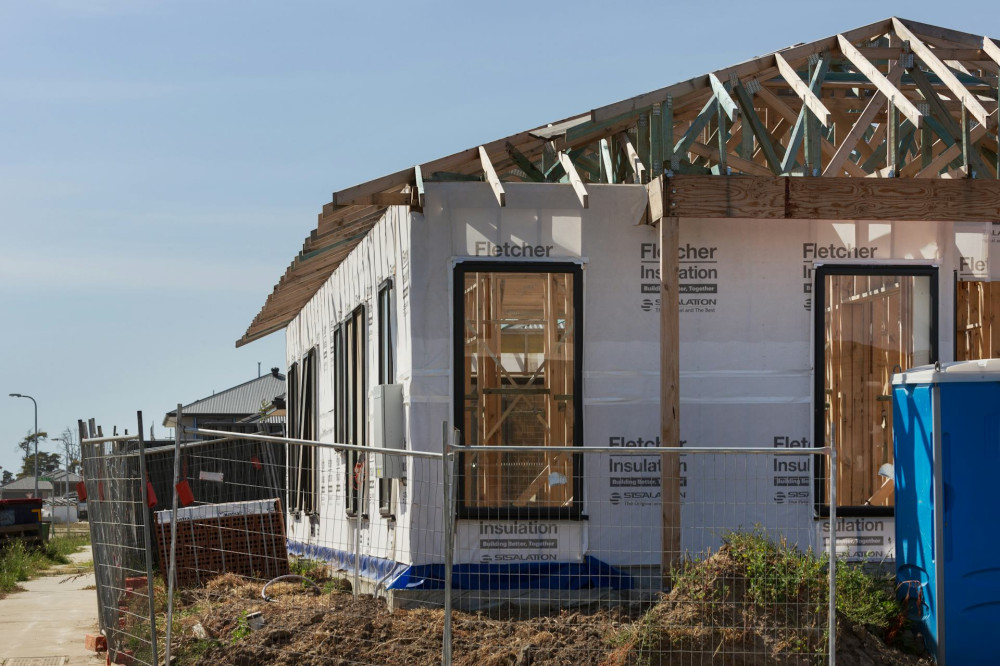
- Exterior: The roof, façade, and windows should form a cohesive visual identity. Consider how your building fits into its surroundings – whether it’s an urban neighbourhood or a rural landscape.
- Interior: Repeating materials and colours across rooms can create a sense of continuity and calm.
Holistic thinking also means understanding how function and aesthetics influence each other. For example, large windows bring in natural light but may require shading to prevent overheating. Open layouts feel spacious but need careful planning for acoustics and privacy.
Choose Materials That Combine Beauty and Durability
Material selection is where function and aesthetics meet most directly. A material can look stunning but be impractical in the long run – or be durable but lack character. The best choices often lie in the middle ground.
- Natural stone and brick are timeless and resilient, ideal for India’s varied climate. They also help regulate indoor temperature.
- Wood adds warmth and texture but needs proper treatment to withstand humidity and termites.
- Modern composites and recycled materials can mimic natural finishes while offering low maintenance and sustainability.
Sustainability is increasingly important in Indian construction. Locally sourced materials reduce transportation costs and environmental impact, while energy-efficient designs lower long-term expenses.
Læs også:
Light as a Design Element
Light is one of the most powerful tools in design. In India, where sunlight is abundant, thoughtful use of natural light can transform a space. Orient windows to capture daylight while minimising glare and heat. Use shading devices like jaalis, pergolas, or deep overhangs to filter sunlight beautifully.
Complement natural light with layered artificial lighting – task lighting for work areas, ambient lighting for comfort, and accent lighting to highlight architectural features. Well-planned lighting enhances both functionality and atmosphere.
Design Interiors with Purpose
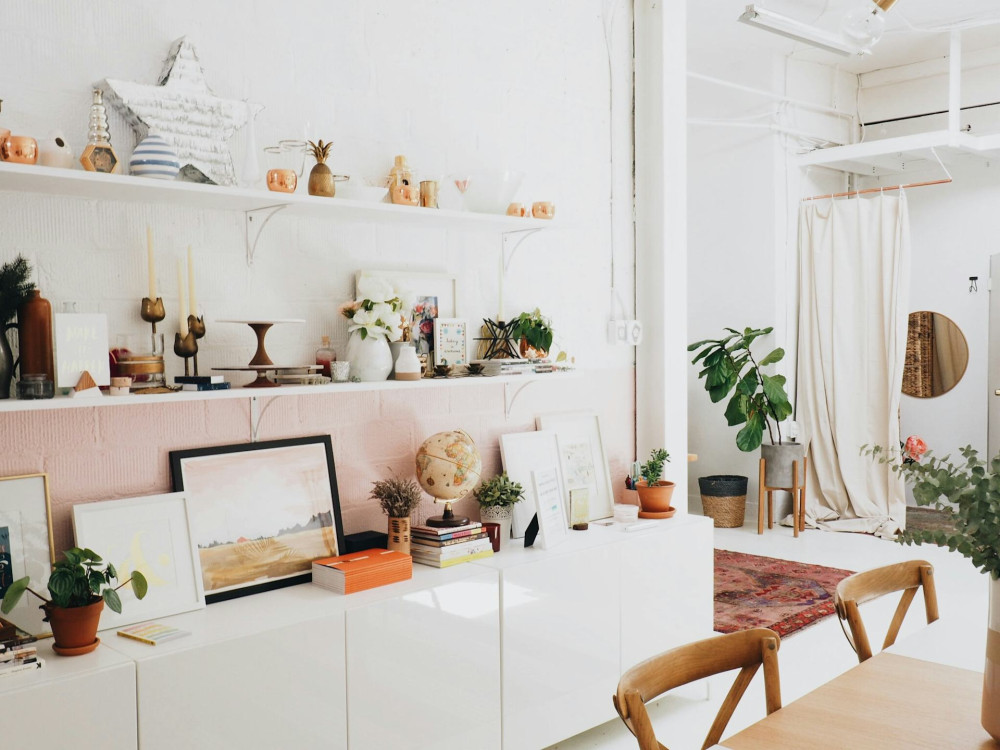
Once the structure is complete, interior design brings the space to life. Furniture, colours, and textures should support the architecture rather than compete with it.
- Use simple lines and limited materials to maintain visual calm.
- Create functional zones in open spaces to define activities clearly.
- Choose colours that respond to light and climate – cooler tones for hot regions, warmer hues for cooler areas.
A balanced interior feels both practical and personal, reflecting your lifestyle and taste.
Collaborate with the Right Professionals
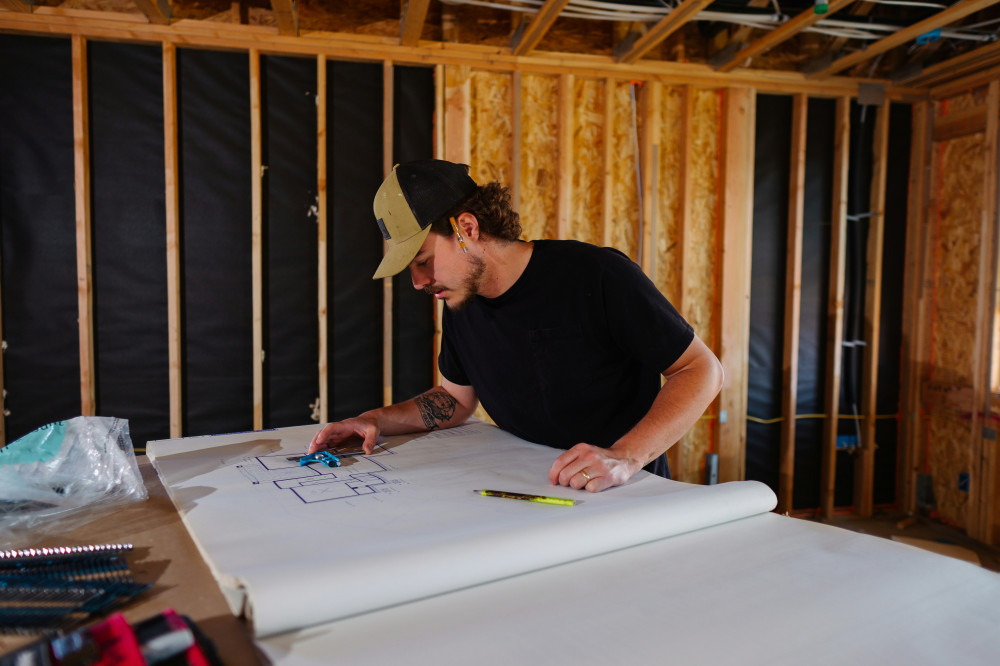
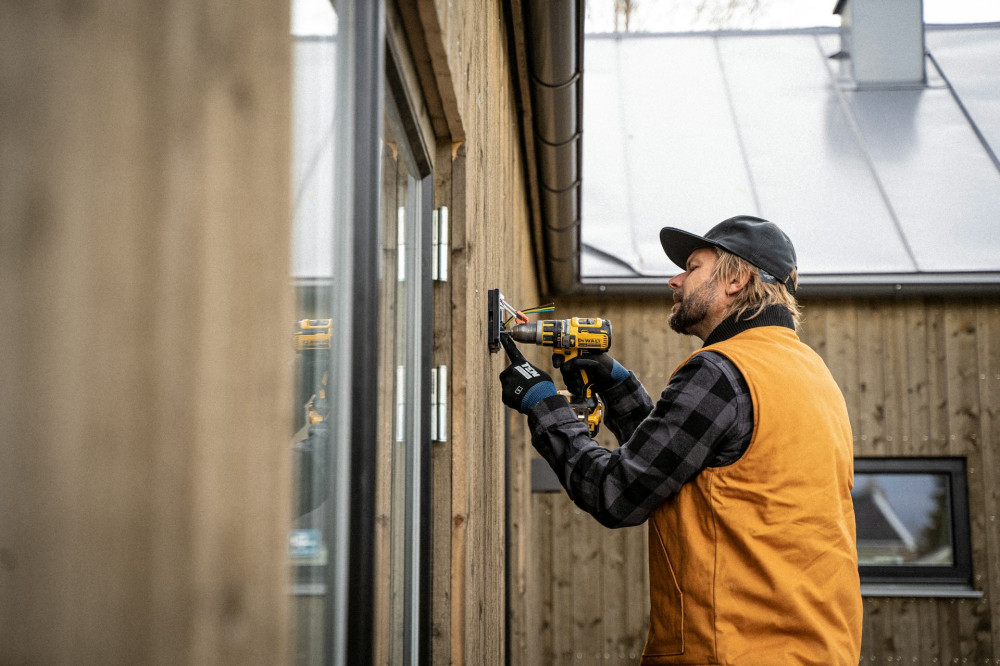
Even the best ideas can fall short without good collaboration. Choose architects, designers, and contractors who understand your vision and can translate it into practical, aesthetic solutions.
An architect can help you integrate form and function, while engineers ensure that the design is structurally sound and efficient. The best results come from teamwork and clear communication throughout the process.
A Space That Lasts – and Feels Right
When function and aesthetics are in harmony, you create more than just a building – you create a space that supports your life and inspires you every day. A well-balanced project doesn’t have to be extravagant; it simply needs to feel right, work well, and stand the test of time.
Læs også: