The payment plan that matches the phases of a construction project

The payment plan that matches the phases of a construction project
Building a new home or commercial property is one of the biggest financial decisions you can make. While most people focus on design, materials, and contractors, the financial structure of the project is just as important. A well-thought-out payment plan ensures that your money flows in step with the progress on site, protecting both you and your builder from misunderstandings or disputes.
Here’s how you can structure a payment plan that aligns with the natural phases of a construction project in India – from the first drawing to the final handover.
Why a payment plan matters
A payment plan is a schedule that defines when and how much you pay your contractor as the project moves forward. It provides transparency and accountability: the builder receives timely payments for completed work, and you only pay for what has actually been done.
Without a clear plan, confusion can arise about milestones, completion levels, or pending work. This can lead to delays, disagreements, or even financial loss. A structured payment plan keeps both parties aligned and helps you manage your budget effectively.
Læs også:


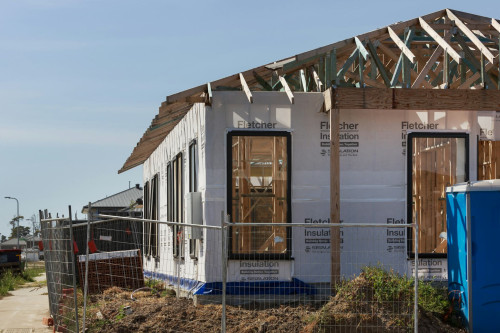
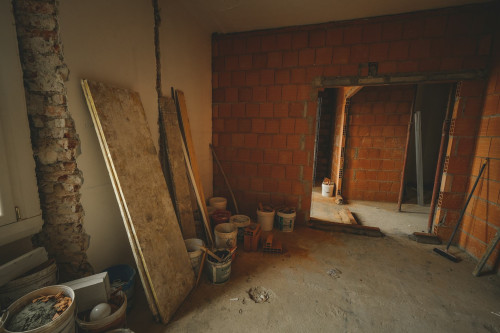
Phase 1: Planning and design
Before construction begins, you’ll need architectural drawings, structural designs, and approvals from local authorities or municipal bodies. During this stage, payments usually cover professional fees for architects, engineers, and consultants.
It’s common to pay a small advance—typically around 5–10% of the total project cost—to initiate design and planning. The remaining amount for this phase should be paid once the final drawings and approvals are secured.
Phase 2: Foundation and structure
Once the groundwork starts, expenses increase significantly. Payments should be tied to visible progress on site.
A typical breakdown might look like this:
- Foundation and plinth work: 10–15%
- Structural frame (columns, beams, slabs): 20–25%
Always release payments only after the work has been completed and verified. You may consider hiring an independent civil engineer or project manager to inspect the work before approving the next installment.
Phase 3: Brickwork, roofing, and plastering
After the main structure is up, the next stage includes brickwork, roofing, and plastering. This phase gives shape to the building and usually accounts for another 20–25% of the total cost.
Payments can be divided into two parts—one after the completion of brickwork and another after roofing and plastering are done. This ensures that the builder maintains steady progress and quality.
Phase 4: Electrical, plumbing, and interior work
Once the building is sealed, internal systems such as electrical wiring, plumbing, flooring, and painting begin. This is also the stage where many homeowners make design changes or upgrades, which can affect costs.
To stay in control, agree on how variations or additional work will be handled. All changes should be documented and approved in writing before execution. Payments for this phase can be split into two or three smaller installments, depending on the complexity of the work.
Phase 5: Finishing and handover
As the project nears completion, the final payment should only be made after a thorough inspection. Walk through the property with your builder to check for any defects or incomplete work.
It’s advisable to retain 5–10% of the total contract value as a security deposit until all issues are resolved. This retention ensures that the builder remains committed to completing the project to your satisfaction.
Phase 6: Post-handover and warranty period
Even after handover, minor issues may appear—such as cracks, leaks, or electrical faults. Many contracts in India include a defect liability period, typically lasting 6–12 months. You can agree to release a small portion of the payment (around 2–3%) only after this period, once all defects have been rectified.
This approach encourages the builder to maintain quality and respond promptly to any post-handover concerns.
Practical tips for a secure payment plan
- Use a written contract. Always have a detailed agreement that specifies payment stages, timelines, and quality standards.
- Avoid large upfront payments. Never pay for work that hasn’t been completed.
- Link payments to milestones. Each installment should correspond to a clearly defined stage of progress.
- Keep records. Maintain copies of invoices, receipts, and inspection reports.
- Engage a professional. A project management consultant or civil engineer can help verify work before each payment.
- Stay within your budget. Regularly review costs to ensure you’re on track financially.
A plan that builds confidence
A construction project is a journey that requires trust, transparency, and careful financial planning. By aligning your payments with the project’s phases, you create a fair and balanced system that protects both you and your builder.
When payments follow progress, you reduce the risk of disputes, ensure quality workmanship, and keep your dream project on schedule—right up to the moment you receive the keys to your new home.
Læs også: