Probability and Games: Why Our Brains Often Mislead Us

Probability and Games: Why Our Brains Often Mislead Us
Whether it’s a round of Teen Patti during Diwali, a cricket fantasy league, or an online rummy app, many of us believe we can “read” the game and predict what comes next. But our brains are not naturally built to understand randomness. We see patterns where none exist and overestimate our ability to influence luck. This very human weakness makes games both thrilling—and sometimes risky.
The Brain’s Search for Patterns
Humans are pattern-seeking creatures. It’s an ability that once helped our ancestors survive—spotting a tiger’s stripes in the tall grass or predicting the monsoon’s arrival. But in games of chance, this same instinct can lead us astray.
If a coin lands on heads five times in a row, many people assume tails is “due” next. This is known as the gambler’s fallacy—the mistaken belief that past outcomes affect future ones, even when each event is independent. In truth, the probability remains 50/50 every time, no matter what happened before.
Læs også:

The Illusion of Control
Another psychological trap is the illusion of control. We often feel that our actions can influence random outcomes—pressing the “spin” button on an online slot at just the right moment, or choosing our own lucky numbers for a lottery ticket. These actions give us a sense of agency, but they don’t change the odds.
Studies show that this illusion makes games more engaging. When we believe we have control, we feel more excitement—and we tend to play longer than we planned.
When Emotions Override Logic
Games are not just about numbers and probabilities; they are deeply emotional experiences. Our brains respond strongly to both wins and losses. A small win releases dopamine—the brain’s “reward chemical”—creating a brief rush of pleasure. That feeling encourages us to play again, hoping to repeat the high.
Losses, however, hurt more than wins feel good. This imbalance drives loss chasing—the urge to keep playing to recover what we’ve lost. That’s when a harmless game can turn into a dangerous habit.
Randomness Is Not Fair
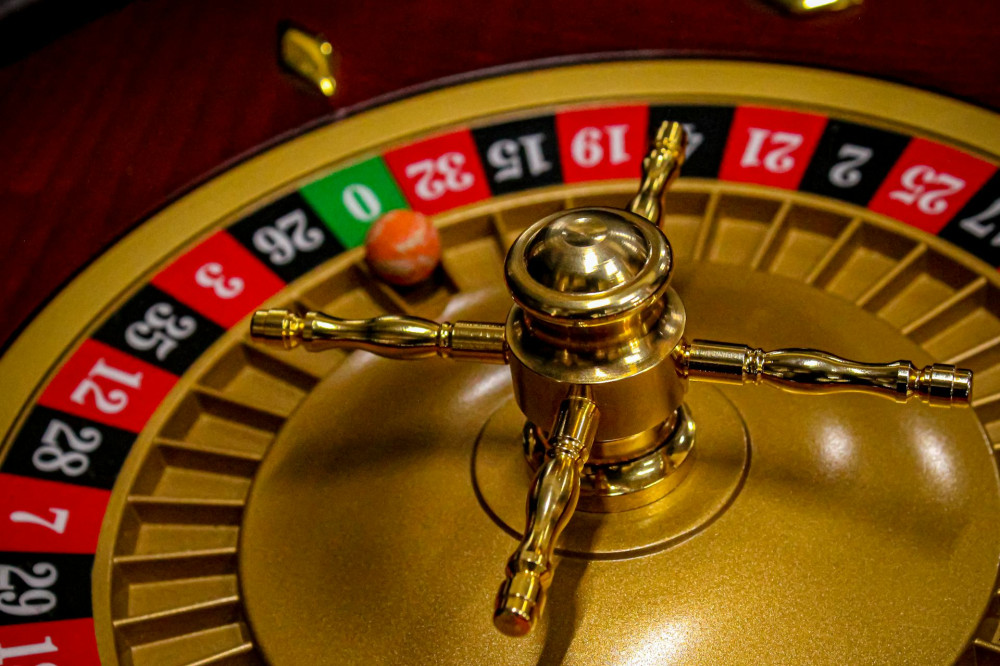
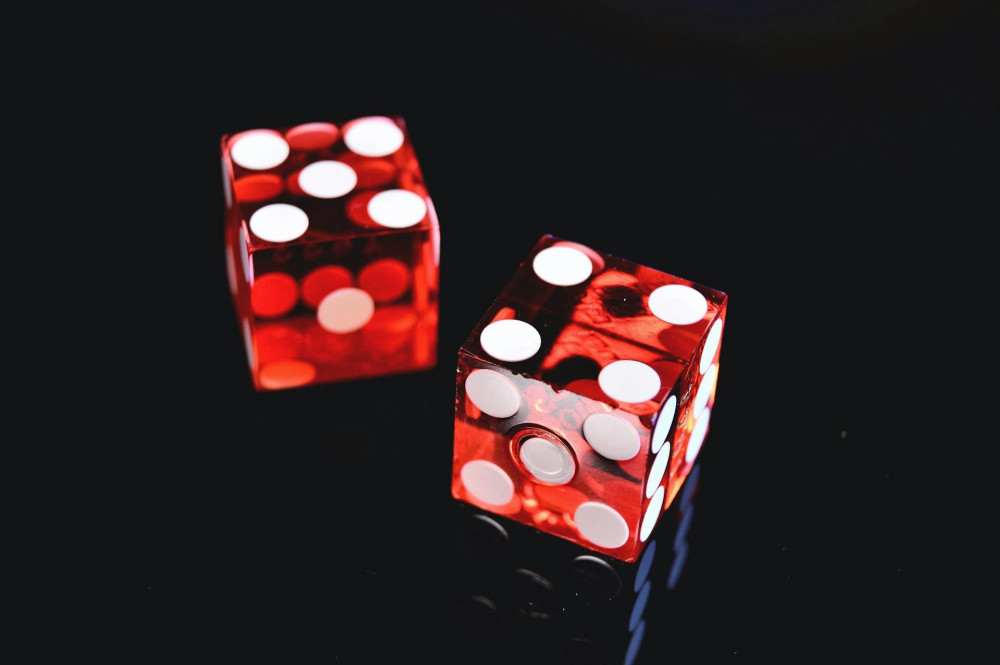
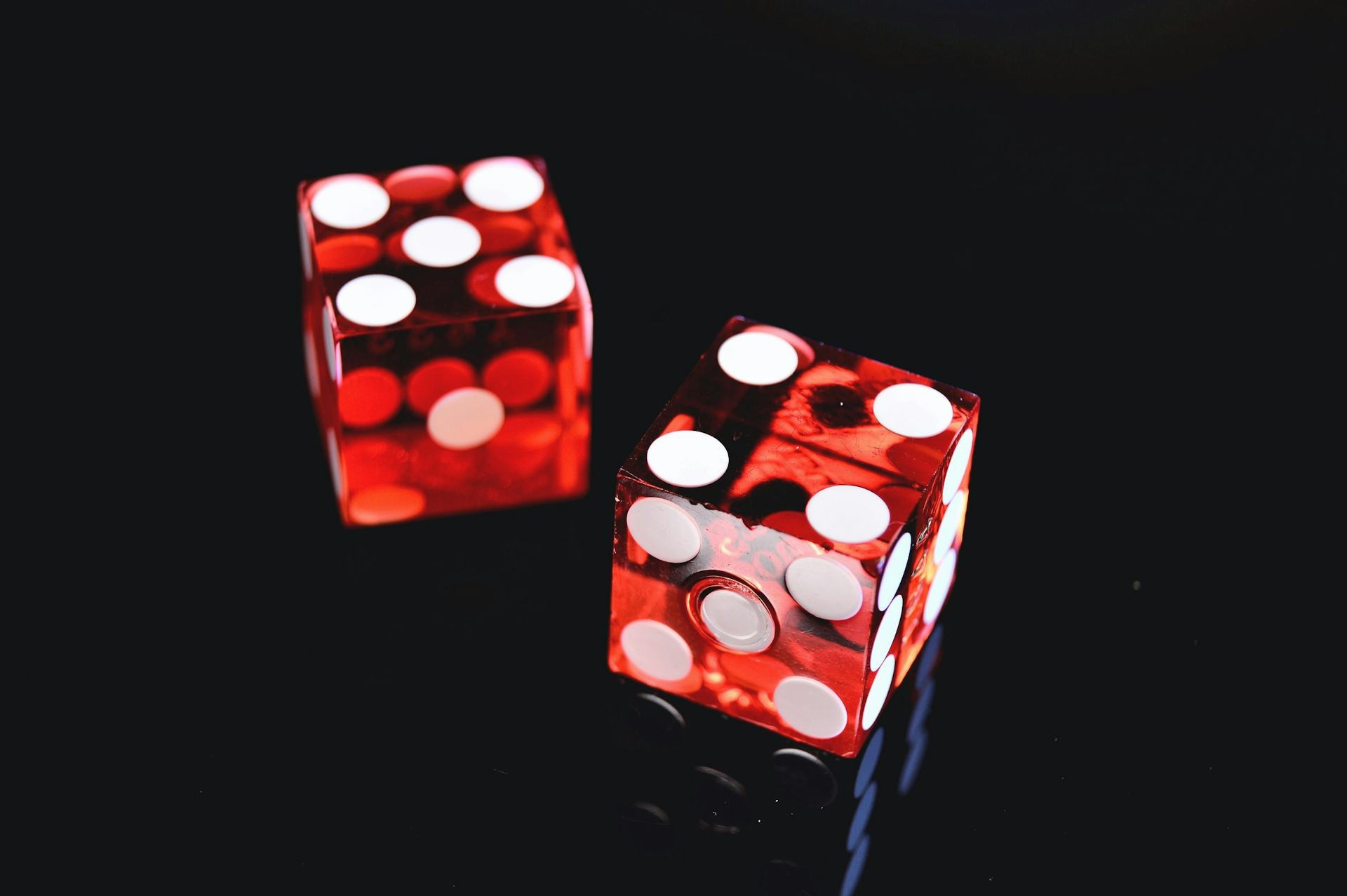
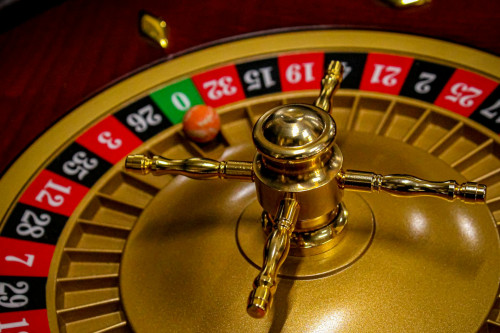
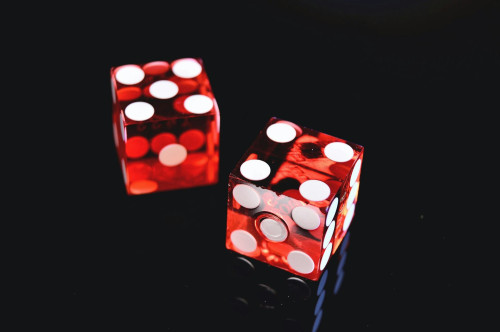
One of the biggest misconceptions in gaming is the belief that luck “balances out” over time. Many players think that after a streak of bad luck, a win must be around the corner. But randomness has no memory. Each roll of the dice, each card drawn, each spin of the wheel is independent of the last.
Game designers and betting platforms understand this human bias. They often use near-misses, flashing lights, and celebratory sounds to make players feel they’re “almost winning,” even when the odds remain unchanged.
Playing Smart in a World of Chance
Understanding probability doesn’t mean you can’t enjoy games—it simply helps you play with awareness. Here are a few simple tips:
- Know the odds. Learn how the game works and what your real chances of winning are.
- Set limits. Decide in advance how much time and money you’re willing to spend—and stick to it.
- Treat games as entertainment, not investment. Wins are rare, and losses are part of the experience.
- Take breaks. When emotions run high, decision-making suffers.
By recognising the psychological tricks our brains play on us, we can enjoy games for what they truly are—moments of fun and excitement—while keeping control where it belongs: in our own hands.
Læs også: