New to the table? Understand the flow of the game and the dealer’s choices

New to the table? Understand the flow of the game and the dealer’s choices
Sitting down at a casino table for the first time can feel like stepping into a different world. The cards move swiftly, chips clink, and the dealer’s actions seem both precise and mysterious. But behind the apparent chaos lies a clear rhythm – a flow that both players and the dealer follow to keep the game fair, fast, and enjoyable. Whether you’re curious about blackjack, poker, or roulette, understanding how the game moves and why the dealer acts the way they do will make your experience smoother and more confident.
The flow of the game – from bet to result
Every casino game follows a structured sequence. First, players place their bets. Then the dealer sets the game in motion – by dealing cards, spinning the wheel, or rolling the dice, depending on the game. Once the round begins, it’s important to know when it’s your turn to act and when to wait.
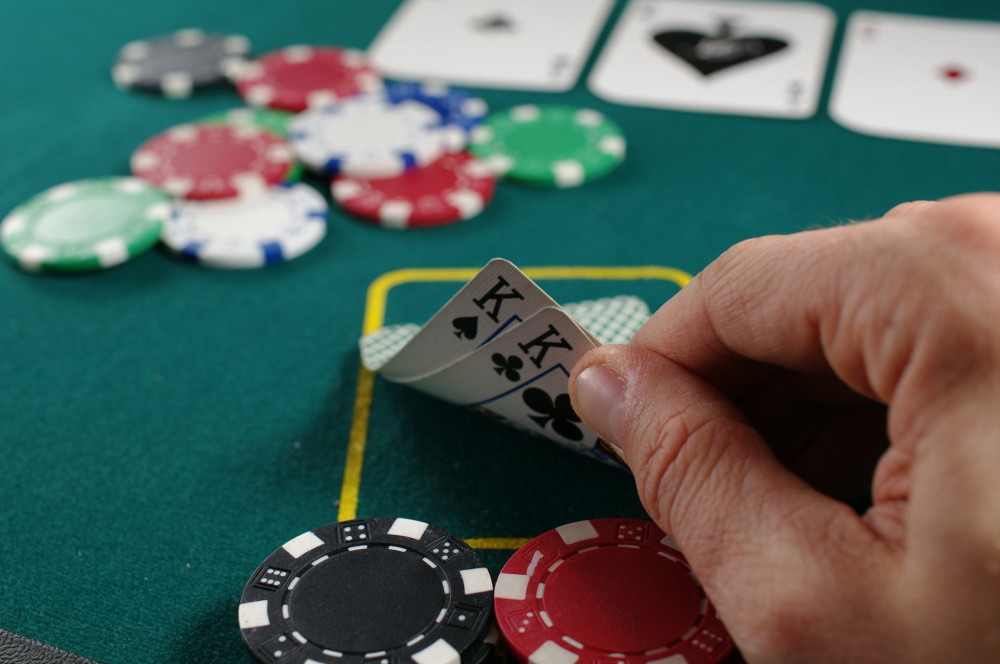
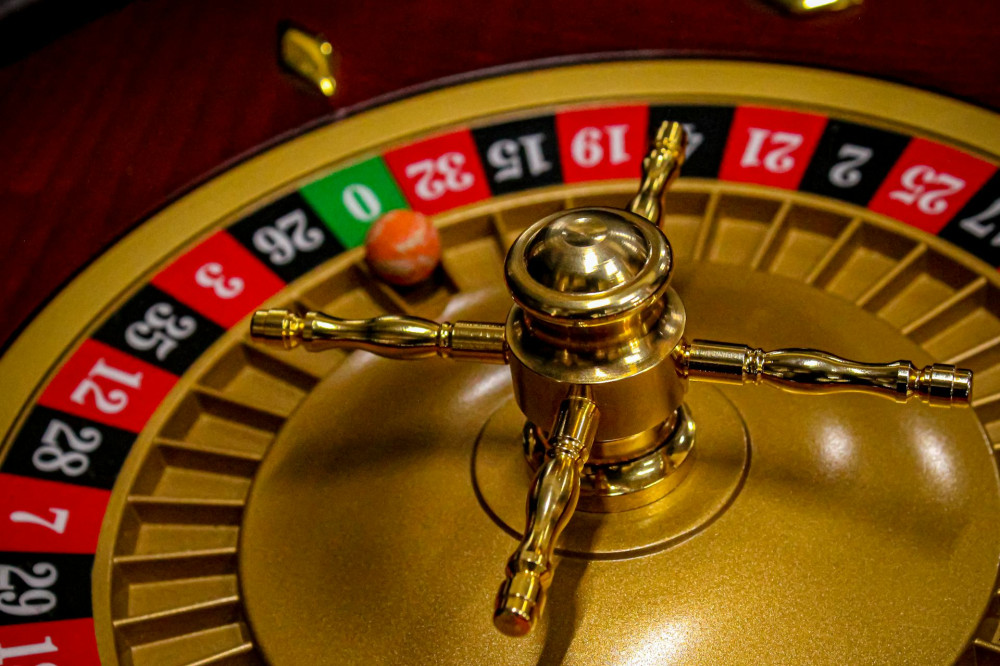
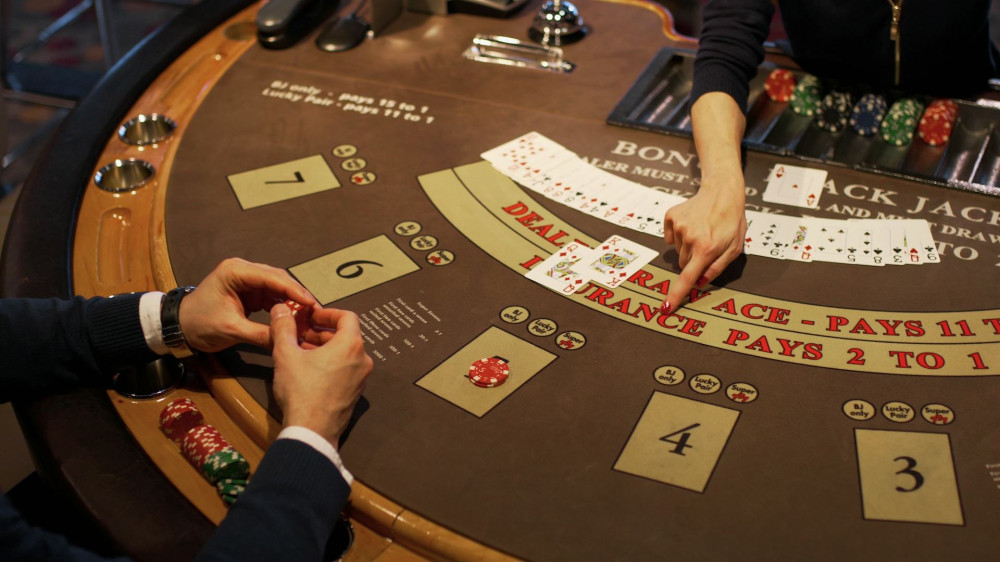
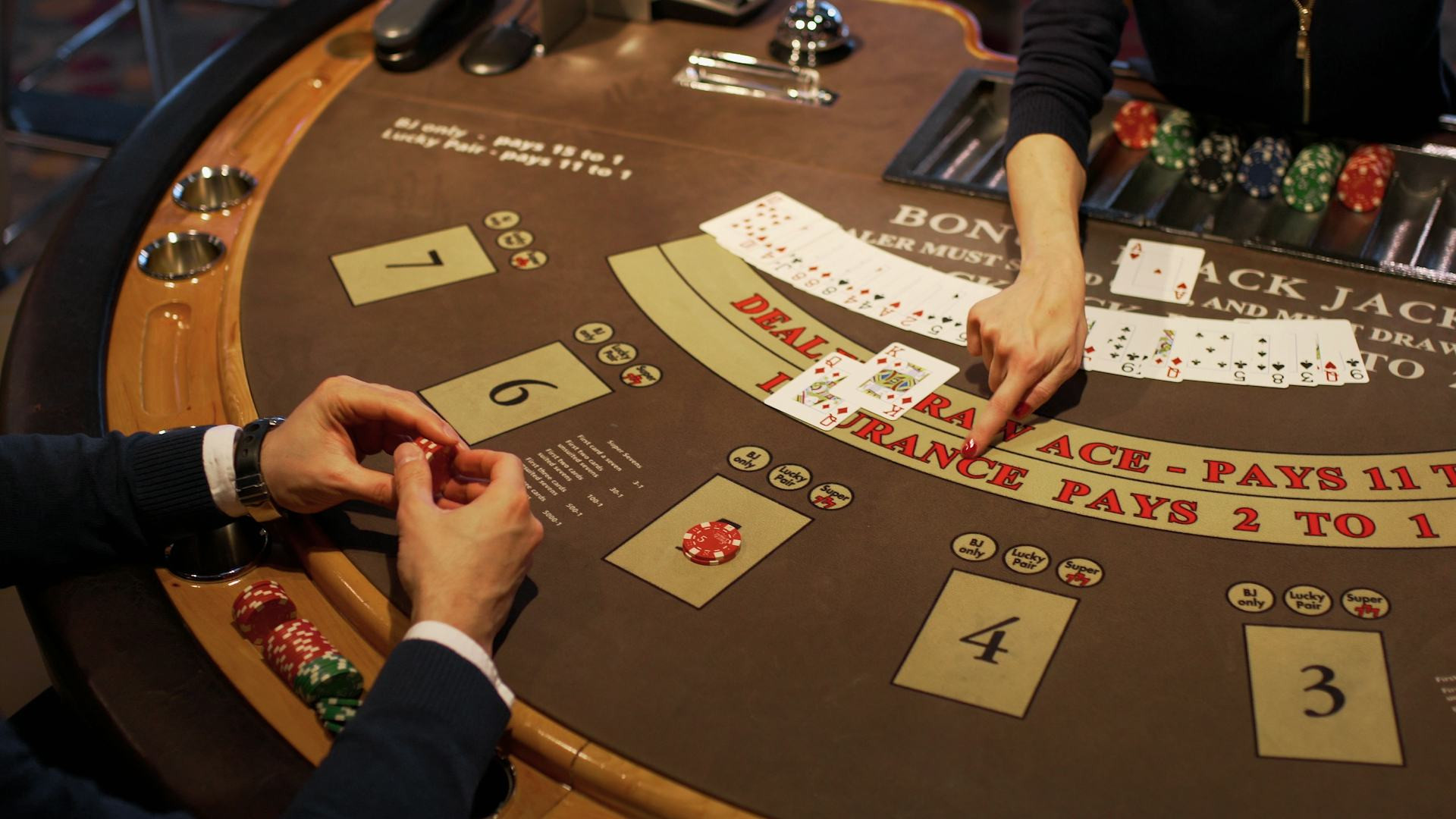
In blackjack, for example, you receive two cards and then decide whether to hit, stand, double down, or split. In poker, turns move clockwise around the table, and acting out of turn can disrupt the game. In roulette, the dealer controls the pace – once the ball is spinning, there’s a clear moment when bets are closed with the familiar “no more bets.”
Knowing this rhythm helps you stay calm and aware of what’s happening – and why.
The dealer’s role – more than just cards and chips
The dealer is the conductor of the game. Their job is to manage the rules, ensure fairness, and maintain a friendly atmosphere at the table. They handle cards accurately, pay out winnings correctly, and make sure everyone understands the flow of play.
But the dealer also plays a social role. A skilled dealer can make even nervous newcomers feel comfortable. They explain the basics, answer questions, and keep the game moving without confusion or delay. At the same time, they must remain neutral – they don’t play “against” you but represent the house and the rules of the game.
In games like blackjack, the dealer’s actions are guided by strict rules – for instance, when to draw or stand. Their choices aren’t personal; they’re dictated by the game’s structure. That’s an important point for new players: the dealer isn’t trying to beat you, just following the system.
Table etiquette and pace
Every casino table has its own etiquette, and knowing it helps the game run smoothly. It’s not just about politeness – it’s about keeping the flow intact. Here are a few key tips:
- Wait for your turn. Acting too early can confuse both the dealer and other players.
- Use clear signals. In games like blackjack, hand gestures are often more important than words, as the dealer and cameras must see your decisions.
- Handle chips properly. Place your bets clearly and before the round begins.
- Show respect. The dealer’s job requires focus and precision, and a friendly attitude makes the experience better for everyone.
Following these simple rules shows that you understand the rhythm of the game – and it quickly earns you respect at the table.
Learning to read the game
As you gain experience, you’ll start to notice patterns. You’ll see when the dealer acts, how the tempo changes during different phases, and when it’s time to think strategically or simply observe. Understanding the flow isn’t just about memorizing rules – it’s about sensing timing and rhythm. That’s what separates a hesitant beginner from a confident player, whether you’re at a live table in Goa or playing online from home.
Læs også:



More than just a game
For many, casino games are as much about the experience as the outcome. When you understand how the game moves and how the dealer guides it, you become part of the action rather than just a spectator. You can enjoy the atmosphere, make better decisions, and feel more in control.
So next time you take a seat at the table, relax, follow the rhythm – and let the flow of the game carry you along.
Læs også: