Save Money and Protect the Environment with Lower Fuel Consumption


Save Money and Protect the Environment with Lower Fuel Consumption
Fuel prices in India often fluctuate, but one thing remains constant: every extra litre burned affects both your wallet and the planet. Road transport is a major contributor to air pollution and greenhouse gas emissions. The good news is that with a few simple changes in driving habits and vehicle maintenance, you can cut fuel costs and reduce your environmental impact. Here’s how to drive smarter and greener—without sacrificing comfort.
Drive Smoothly and Plan Ahead
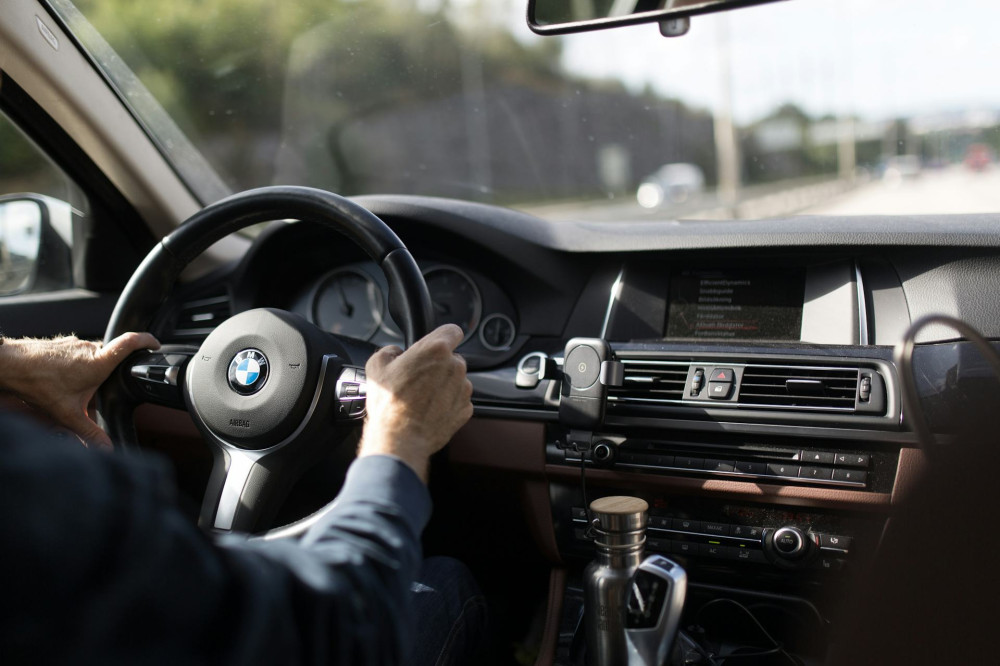
Your driving style has the biggest influence on fuel consumption. Rapid acceleration, sudden braking, and unnecessary idling all waste fuel. Instead, aim for a steady, predictable driving rhythm.
- Accelerate gently and shift gears early—engines use less fuel at lower RPMs.
- Maintain a safe distance from the vehicle ahead so you can slow down gradually instead of braking hard.
- Ease off the accelerator early when approaching traffic lights or turns—modern engines cut fuel supply when coasting in gear.
A calm, steady driving style can reduce fuel use by up to 15 percent and make your journeys less stressful.
Check Tyre Pressure and Maintain Your Vehicle
Underinflated tyres increase rolling resistance, forcing your engine to work harder. Check tyre pressure at least once a month, especially before long trips. The correct pressure is listed in your car’s manual or on a sticker inside the driver’s door.
Regular maintenance also keeps your vehicle running efficiently. Replace engine oil and air filters as recommended, and ensure spark plugs and injectors are clean. A clogged air filter or poorly tuned engine can raise fuel consumption significantly.
Avoid Unnecessary Weight and Drag
Every extra kilogram your car carries requires more fuel to move. Remove heavy items you don’t need—such as tools, luggage, or sports equipment. Roof racks and carriers create wind resistance that can increase fuel use by up to 20 percent on highways.
Even small changes matter: keeping your boot clear and avoiding unnecessary loads can save fuel over time.
Plan Your Trips Wisely
Short trips with a cold engine consume more fuel and produce more emissions. Try to combine errands so the engine stays warm and efficient. In congested Indian cities, this can make a big difference.
Also consider whether you need to drive at all. Walking, cycling, or using public transport can be cheaper, healthier, and often faster in urban areas. For short commutes, electric scooters or shared mobility options are practical alternatives.
Use Technology to Your Advantage
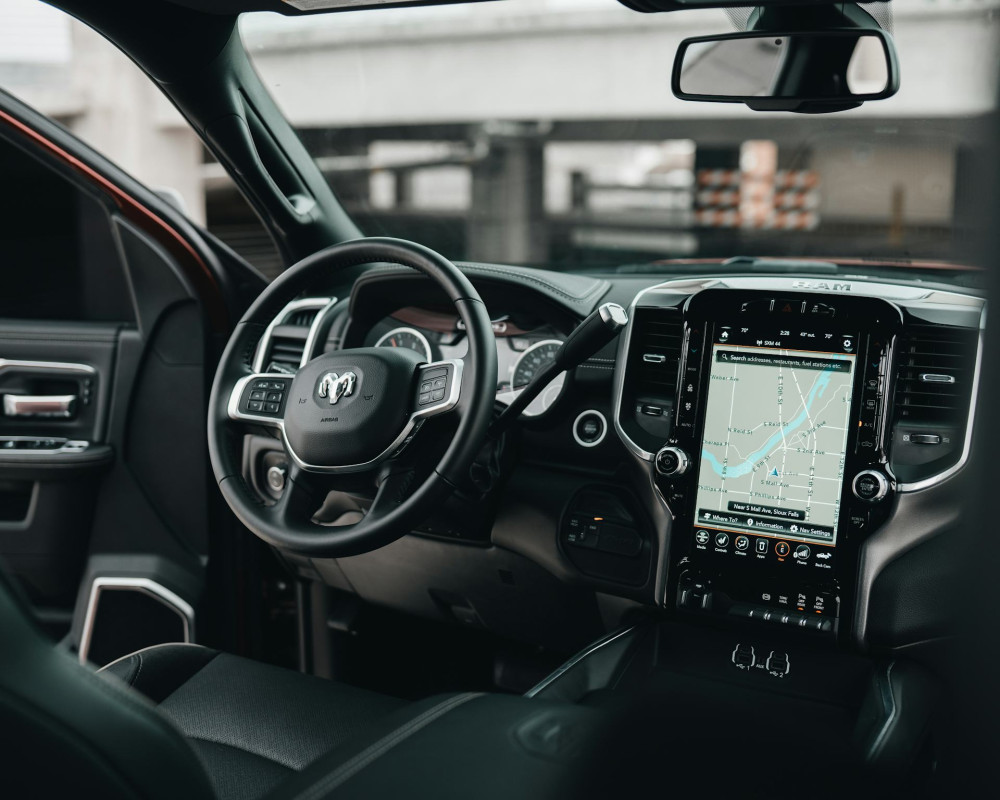
Many modern cars come with features that help you drive more efficiently—such as real-time fuel economy displays, gear shift indicators, or “eco” driving modes that optimize engine performance.
If you drive an older car, you can use a smartphone app or a simple OBD device to monitor your driving patterns and identify ways to save fuel.
Consider Alternative Fuels and Vehicles
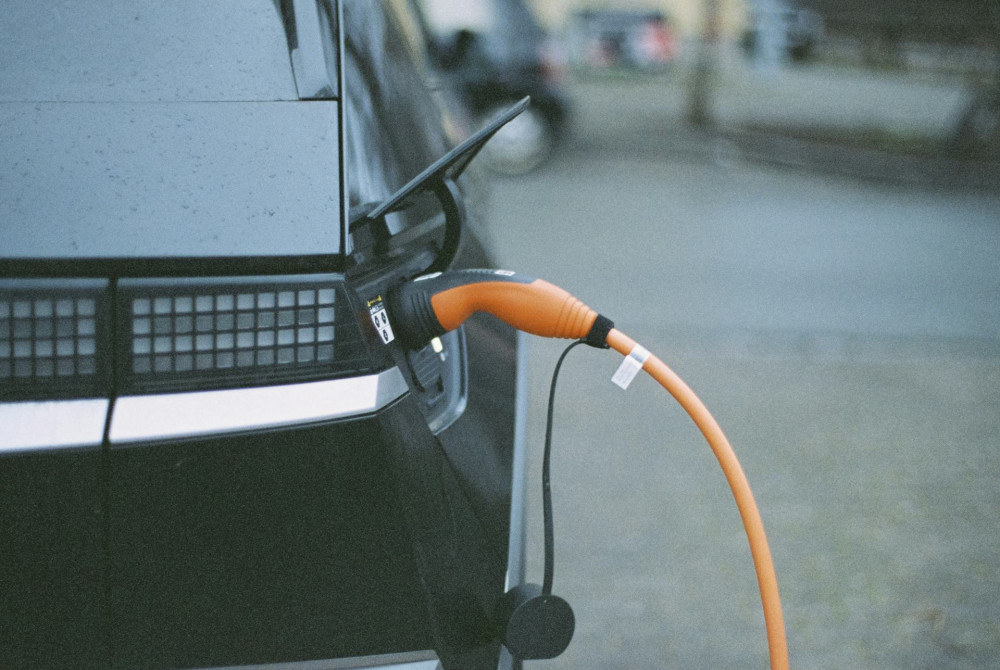
If you’re planning to buy a new vehicle, explore options beyond petrol and diesel. Hybrid and electric vehicles are becoming more accessible in India, with government incentives and expanding charging infrastructure. Though the initial cost may be higher, the long-term savings on fuel and maintenance can be substantial.
For many drivers, choosing a smaller, more efficient car is also a straightforward way to cut costs and emissions.
Læs også:


Small Changes, Big Impact
Driving economically isn’t about slowing down—it’s about driving smart. With a few adjustments to your habits, you can save thousands of rupees each year while helping to reduce pollution and carbon emissions.
By combining careful planning, smooth driving, and regular maintenance, you’ll not only spend less on fuel but also contribute to a cleaner, greener India.
Læs også: