Green Housing Policy: When Sustainability and Property Taxation Meet


Green Housing Policy: When Sustainability and Property Taxation Meet
India’s housing sector is undergoing a quiet transformation. As cities expand and the demand for affordable homes grows, sustainability has become more than just a buzzword—it’s a necessity. But how can environmental responsibility be integrated into something as traditional as property taxation? The answer may lie in a new kind of policy thinking: one that links green housing with fiscal incentives.
When Homes and Climate Goals Align
Buildings account for a significant share of India’s total energy consumption and carbon emissions. From air conditioning in urban apartments to inefficient lighting in older homes, the way we build and live has a direct impact on the environment. At the same time, owning a home remains one of the most important financial milestones for Indian families. This makes housing policy a powerful tool for driving sustainable change.
Green housing policy is about finding the balance between economic fairness and environmental responsibility. Property taxation, often seen as a purely fiscal instrument, can become a lever for sustainability.
Læs også:

Taxation as a Policy Tool
Traditionally, property taxes in India have been used to generate revenue for local governments and fund urban infrastructure. But as the country moves toward its climate goals, there is growing interest in using taxation as an incentive for greener choices.
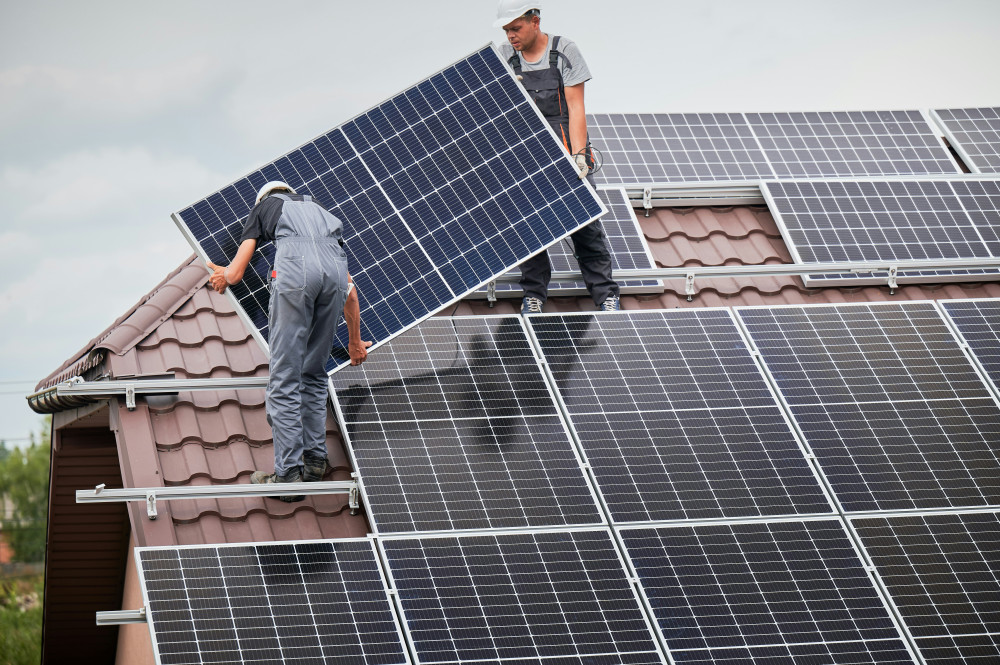
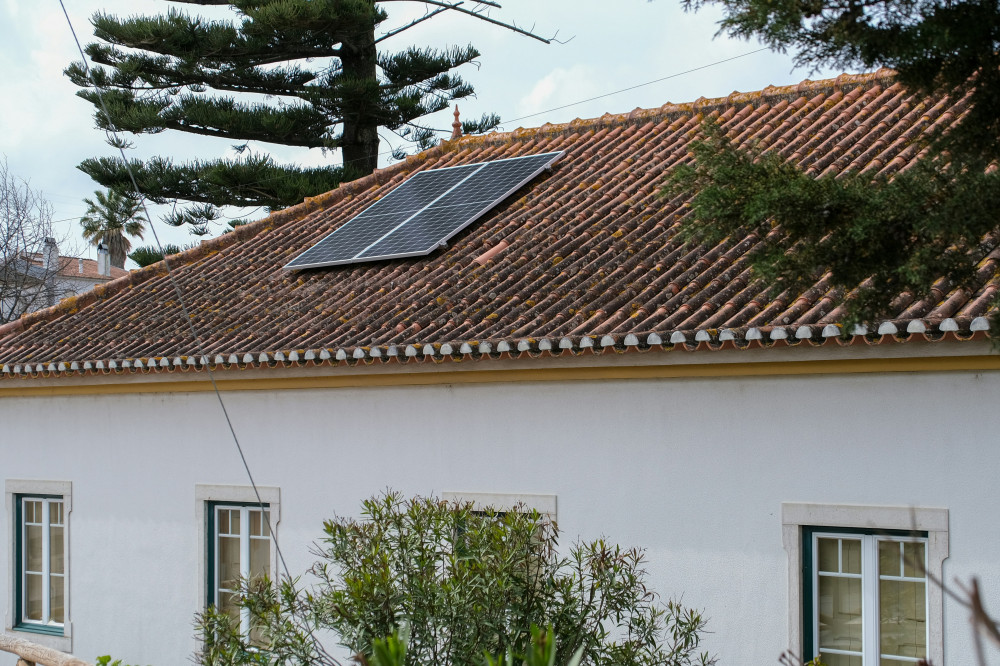
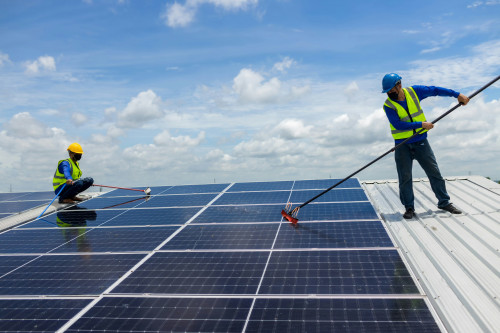
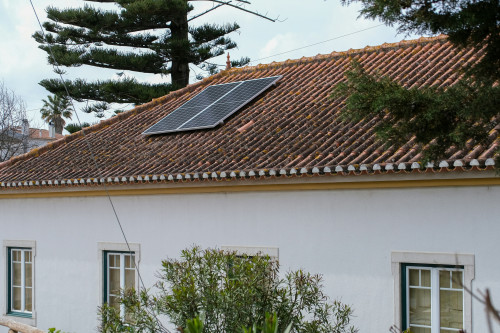
Imagine a system where property tax rates reflect a building’s environmental performance. Homes with energy-efficient designs, solar panels, or rainwater harvesting systems could enjoy lower tax rates. Conversely, properties with poor energy ratings might face higher taxes—unless the owners invest in upgrades. Such a model would encourage homeowners to adopt sustainable practices without relying solely on subsidies.
Some Indian states and municipalities are already experimenting with this idea. For instance, cities like Pune and Indore have introduced rebates on property tax for buildings that meet green certification standards. These early initiatives show how fiscal policy can nudge citizens toward sustainability.
Green Renovations as Long-Term Investments
For many homeowners, the upfront cost of green renovation—installing solar panels, improving insulation, or switching to energy-efficient appliances—can seem daunting. Yet, over time, these investments pay off through lower electricity bills and increased property value.
If property taxation were structured to reward such improvements, it could create a positive cycle: lower operating costs, higher asset value, and a smaller carbon footprint. To make this work, transparency and access to financing are key. Green home loans, offered by several Indian banks, are already helping bridge this gap.
Ensuring Social Equity in the Green Transition
A major challenge in green housing policy is ensuring that sustainability does not become a privilege of the wealthy. Many low- and middle-income households live in older or informal housing that lacks the resources for energy upgrades. If tax incentives only benefit those who can afford renovations, inequality could deepen.
To prevent this, policymakers must design socially balanced models—offering targeted subsidies, low-interest loans, or tax credits for low-income homeowners. Public-private partnerships can also play a role, helping retrofit older housing stock and make sustainable living accessible to all.
The Role of Local Governments
Urban local bodies are central to implementing green housing policies. They can integrate sustainability into building codes, zoning regulations, and property tax structures. Municipalities can also lead by example—retrofitting public buildings, promoting rooftop solar projects, and supporting community-based green initiatives.
Cities like Ahmedabad and Bengaluru are already exploring ways to link property tax rebates with environmental performance, signaling a shift toward more climate-conscious governance.
The Future of Property Taxation: Green and Fair
The debate around property taxation in India has long focused on fairness and efficiency. Now, a new dimension is emerging: climate responsibility. The challenge is to design a tax system that is both equitable and environmentally progressive.
A green property tax need not be an additional burden. Instead, it can be an investment in the future—encouraging sustainable construction, reducing energy demand, and supporting India’s broader climate commitments.
A Shared Vision for a Sustainable Home
Whether in bustling metros or growing tier-two cities, the idea of a “green home” is gaining ground. It represents not just a personal aspiration but a collective responsibility. When sustainability and taxation meet, the goal is clear: to make the environmentally responsible choice also the economically sensible one.
For Indian homeowners, this may mean reimagining what a home stands for—not just a place to live, but a cornerstone of a greener, more resilient future.
Læs også: