Find your balance between financial freedom and quality of life


Find your balance between financial freedom and quality of life
For many Indians today, the dream of financial freedom is about more than just wealth. It’s about having control over your time, reducing financial stress, and gaining the flexibility to live life on your own terms. But in a country where the cost of living is rising and competition is intense, the pursuit of financial independence can sometimes overshadow the joy of living in the present. How can you strike the right balance between saving for the future and enjoying life today?
What does financial freedom really mean?
Financial freedom doesn’t necessarily mean never having to work again. For most people, it’s about achieving financial security and flexibility — being able to make choices without being driven by financial pressure.
It could mean having the freedom to switch careers, take a break, start your own business, or spend more time with family. It’s about building a financial foundation that gives you options, not about chasing wealth for its own sake.
Know your values – and let them guide your choices
Before you can find balance, you need to understand what gives your life meaning. For some, it’s travel and experiences; for others, it’s stability, family time, or meaningful work. Financial freedom should not be the ultimate goal, but a means to live a life aligned with your values.
Ask yourself:
- What makes me feel secure and fulfilled?
- What do I want more of in my life?
- What can I live without and still feel content?
When you know your priorities, it becomes easier to make financial decisions that support them.
Build structure into your finances – without losing flexibility
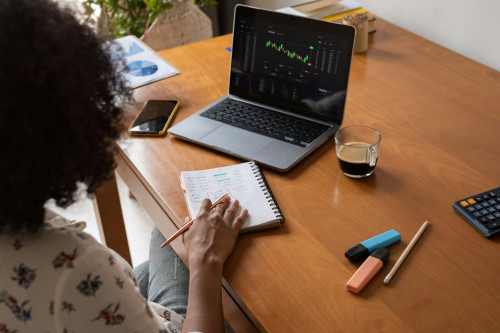
A healthy financial life starts with clarity. Create a realistic budget that includes your essential expenses, savings, and leisure spending. The goal isn’t to live frugally for the sake of it, but to spend consciously.
A few simple principles can help:
- Automate your savings – set up automatic transfers to your savings or investment accounts each month.
- Create an emergency fund – aim for three to six months of expenses to handle unexpected situations.
- Invest for the long term – even small, regular investments in mutual funds, SIPs, or retirement plans can grow significantly over time.
- Allow room for enjoyment – set aside money for experiences that bring you happiness and energy.
When your finances are organized, you gain the confidence to make choices that benefit both your future and your present well-being.
Don’t turn financial freedom into a race
In an age of social media, it’s easy to compare yourself with others who seem to have “made it” — early retirees, digital nomads, or influencers preaching passive income. But financial freedom looks different for everyone. For some, it’s owning a home debt-free; for others, it’s being able to work part-time or pursue a passion project.
If you’re constantly chasing the next financial milestone, you risk losing the joy of the journey. Remember, freedom also means appreciating what you already have.
Læs også:



Quality of life requires time – not just money
Even the best financial plan can’t replace time, relationships, or health. That’s why it’s important to include well-being in your financial goals. Think about how you can use your resources — both time and money — to enhance your quality of life.
You might:
- Reduce working hours to spend more time with loved ones.
- Spend on experiences rather than possessions.
- Invest in your health through good food, exercise, and rest.
- Prioritize peace and balance over constant growth.
Financial freedom, in the end, is about feeling rich — not necessarily in rupees, but in experiences, relationships, and purpose.
Find your own balance
There’s no universal formula for balancing financial freedom and quality of life. It depends on your values, circumstances, and goals. What matters most is making conscious choices — and remembering that money is not just about numbers, but about the life you want to live.
When you find your balance, your finances become a tool for freedom — helping you live fully, both now and in the future.
Læs også: